1983–1986: SG-1000 and SEGA's First Steps in Home Gaming
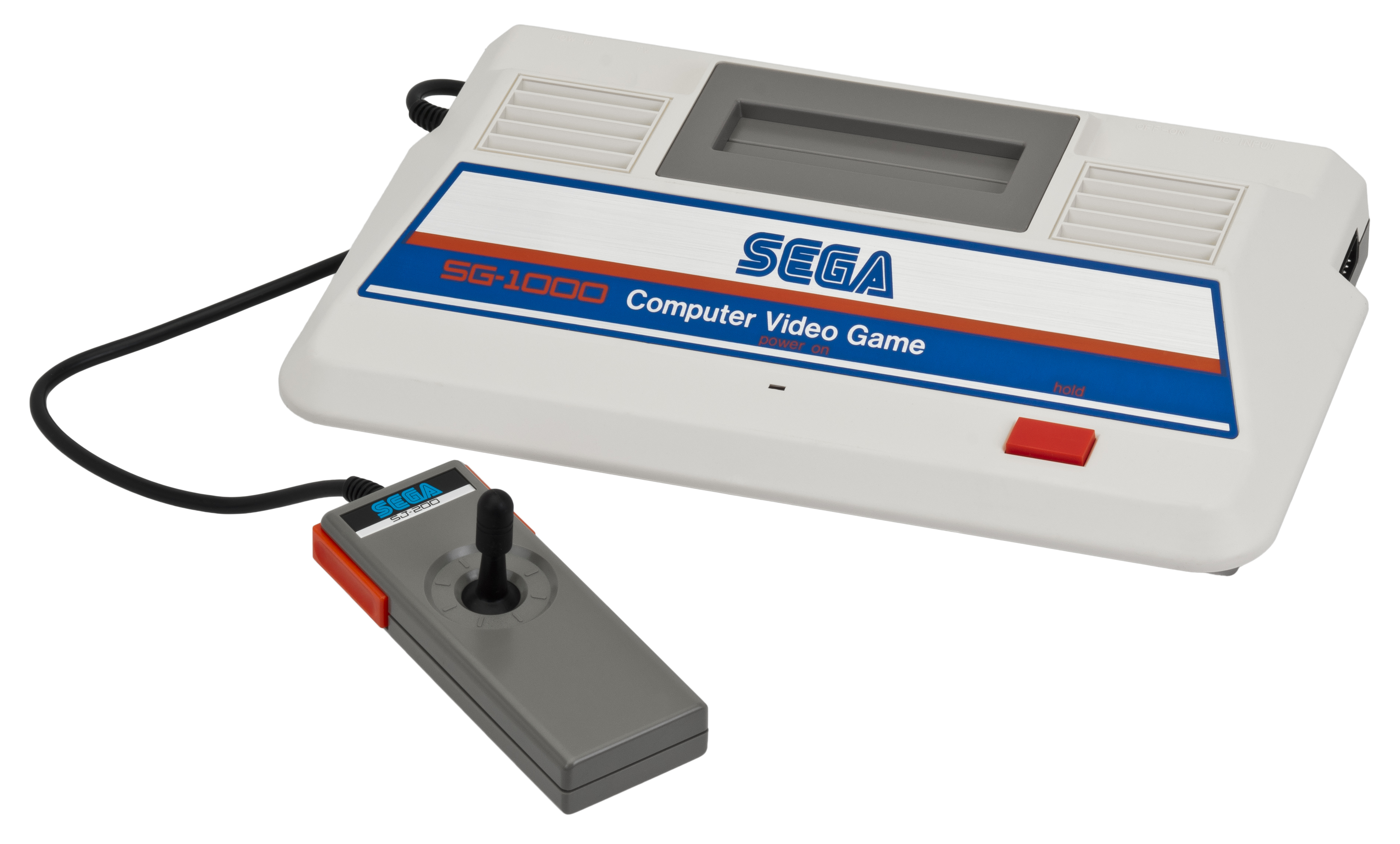
SG-1000 |

SG-1000 II |
Released in July 1983, the SG-1000 was SEGA's first home video game console and marked the company's entry into the growing home gaming market. Although it faced strong competition, it established SEGA's foundation for future hardware development.
The console featured arcade-inspired experiences and introduced players to SEGA's early approach of bringing arcade-quality entertainment into homes. Games included Girl's Garden, Champion Baseball, Flicky, and other early SEGA titles.
1985–1992: SEGA Master System
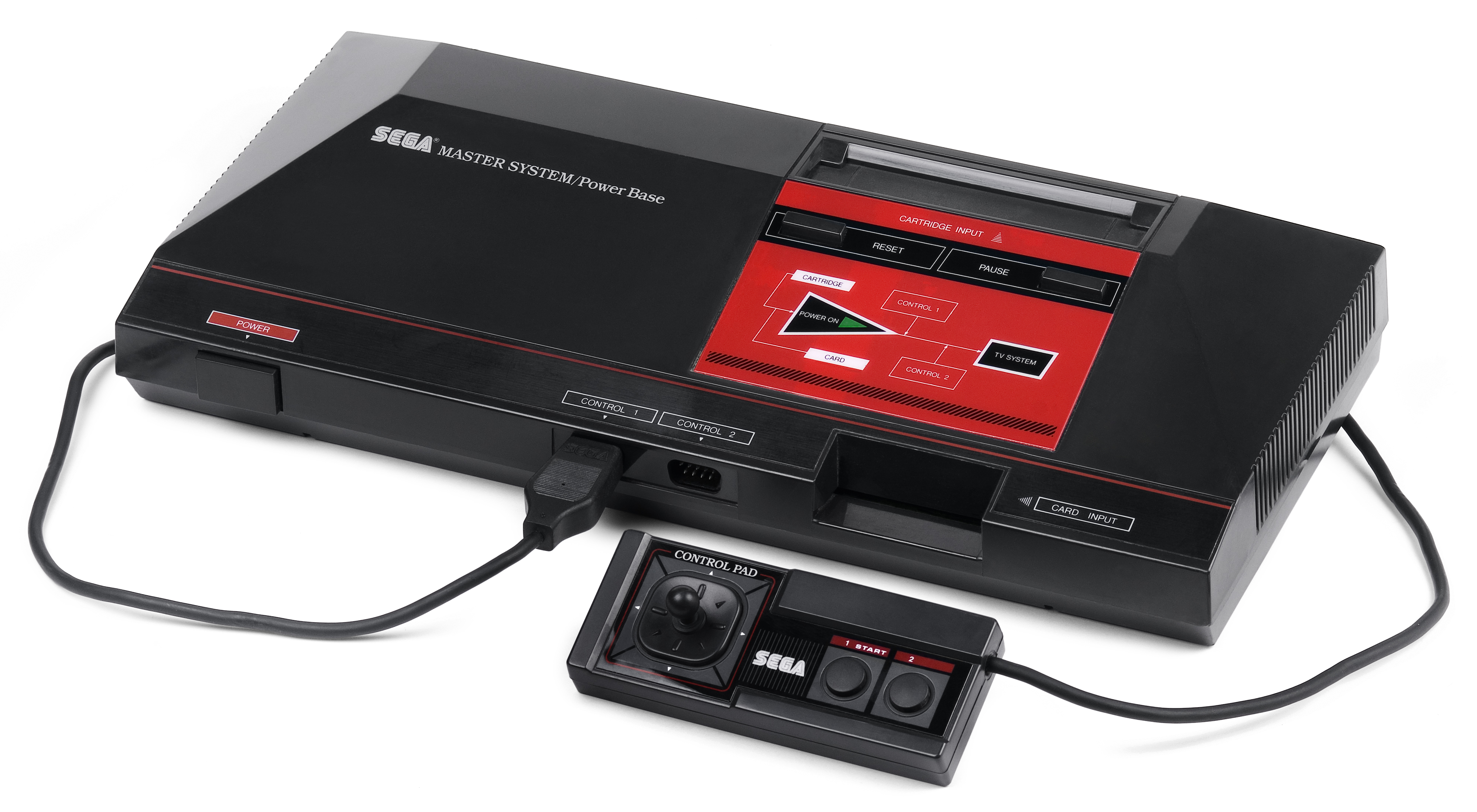
SEGA Master System |
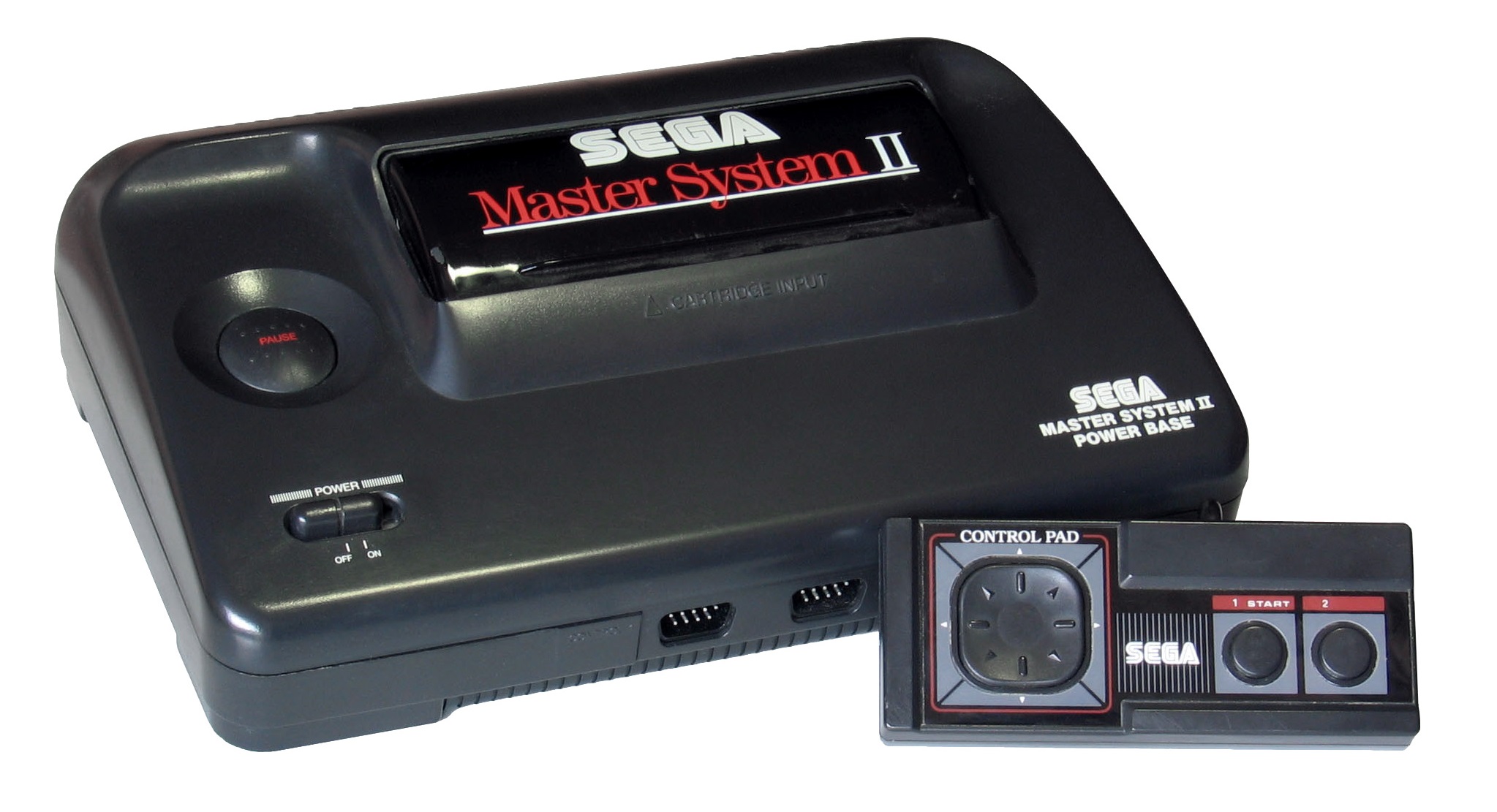
Master System II |

Master System Variants |
Released in Japan in 1985 and later worldwide, the SEGA Master System was SEGA's first major international home console. It featured improved hardware compared to the SG-1000 and competed directly with the Nintendo Entertainment System.
While Nintendo dominated many markets, the Master System became extremely successful in Europe and Brazil, where it developed a strong fan base that continues today.
Important games included Alex Kidd in Miracle World, Wonder Boy, Phantasy Star, Shinobi, Out Run, and Castle of Illusion Starring Mickey Mouse.
1988–1997: SEGA Genesis / Mega Drive

SEGA Genesis (North America) |

SEGA Mega Drive II |
Released in Japan in 1988 as the Mega Drive and in North America in 1989 as the Genesis, SEGA's 16-bit console became one of the company's greatest achievements. With a faster processor and arcade-style graphics, it challenged Nintendo during the famous 16-bit console wars.
The Genesis became famous for its attitude, marketing campaigns, and legendary characters, especially Sonic the Hedgehog, who became SEGA's worldwide mascot.
The system featured unforgettable games such as Sonic the Hedgehog, Streets of Rage, Shining Force, Phantasy Star IV, Gunstar Heroes, Earthworm Jim, and Virtua Racing.
1991–1996: SEGA CD (Mega-CD)

SEGA CD (Model 1) |

SEGA CD (Model 2) |
Released in Japan in 1991 and later worldwide, the SEGA CD was an add-on system for the SEGA Genesis/Mega Drive that introduced CD-ROM technology to SEGA's console lineup. It offered larger games, improved audio quality, full-motion video, and expanded storytelling possibilities.
The system allowed developers to create more cinematic experiences and featured games such as Sonic CD, Lunar: The Silver Star, Lunar: Eternal Blue, Final Fight CD, and Snatcher.
1994–1996: SEGA 32X

SEGA 32X |
Released in 1994, the SEGA 32X was an expansion unit designed to increase the power of the Genesis/Mega Drive. It added 32-bit processing capabilities and improved graphics while allowing players to continue using their existing Genesis consoles.
Although the system introduced impressive technology for its time, it struggled due to limited software support, high consumer confusion, and the upcoming release of SEGA's next-generation console, the SEGA Saturn.
Notable games included Virtua Racing Deluxe, Star Wars Arcade, Doom, and Knuckles' Chaotix.
1994–2000: SEGA Saturn

SEGA Saturn |
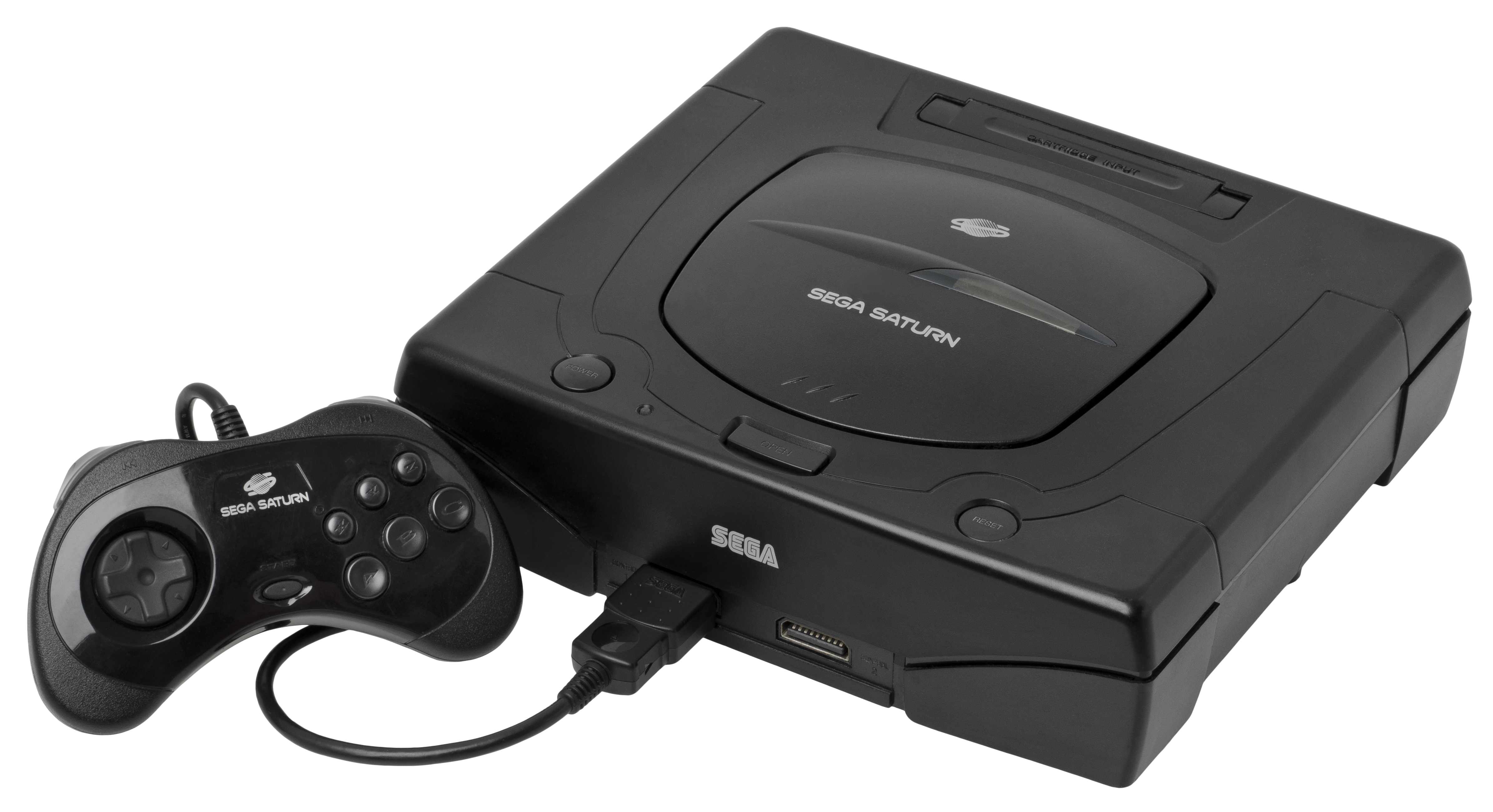
SEGA Saturn Model 2 |
Released in Japan in November 1994 and worldwide in 1995, the SEGA Saturn was SEGA's first true 32-bit console. Designed with powerful hardware for 2D and 3D gaming, the Saturn focused heavily on arcade-quality experiences.
The console became highly respected among fans for its incredible library of Japanese games, especially fighting games, arcade conversions, and unique experiences. However, competition from Sony's PlayStation and internal business decisions affected its worldwide success.
The SEGA Saturn featured legendary games including Virtua Fighter, Panzer Dragoon, Nights into Dreams, SEGA Rally Championship, Shining Force III, Guardian Heroes, and Sakura Wars.
1998–2001: SEGA Dreamcast
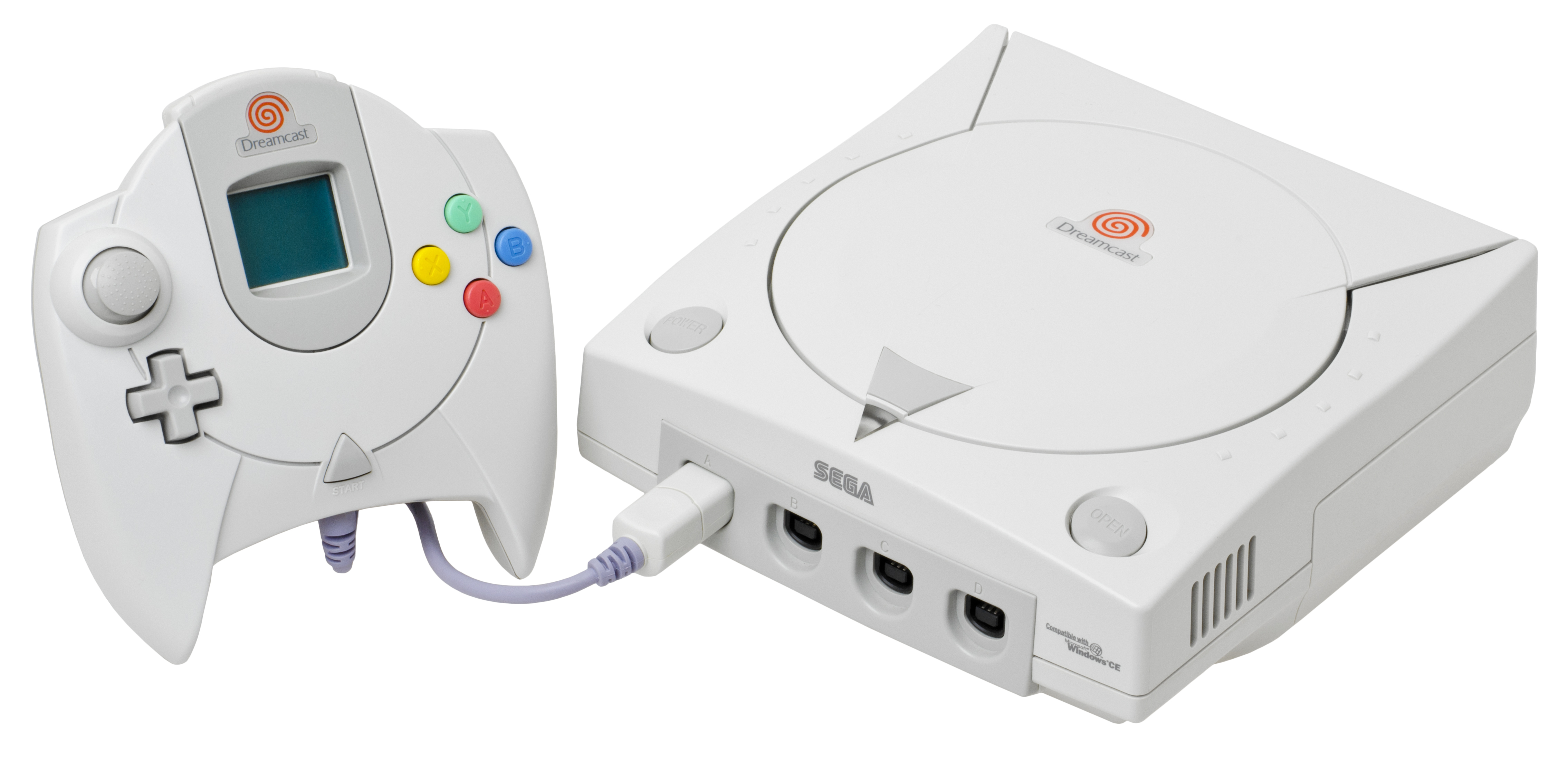
SEGA Dreamcast |

Dreamcast Controller |
Released in Japan in 1998 and worldwide in 1999, the SEGA Dreamcast represented SEGA's final home console and introduced many innovations that influenced future gaming systems.
The Dreamcast featured built-in online connectivity, a unique Visual Memory Unit (VMU), arcade-quality graphics, and a strong focus on creative game design. Despite critical acclaim, competition from Sony's PlayStation 2 and financial challenges led SEGA to discontinue the system in 2001.
The Dreamcast became a cult classic with unforgettable games including Sonic Adventure, Shenmue, Crazy Taxi, Jet Set Radio, Resident Evil Code: Veronica, Power Stone, Soulcalibur, and Skies of Arcadia.
2001–Present: SEGA Becomes a Third-Party Game Developer
| SEGA Games | SEGA Studios | Global Publishing |
After discontinuing the Dreamcast in 2001, SEGA made the historic decision to leave the hardware business and focus entirely on software development and publishing. This allowed SEGA's legendary franchises to appear on multiple platforms, including PlayStation, Xbox, Nintendo systems, and PC.
The transition preserved many of SEGA's iconic series while allowing new audiences around the world to experience franchises that helped define gaming history.
Major SEGA franchises continued with titles such as Sonic the Hedgehog, Shenmue, Virtua Fighter, Football Manager, Total War, and many more.
2001–Present: Sonic the Hedgehog Franchise

Sonic Adventure |
Sonic Modern Era | Sonic Frontiers |
Following the Dreamcast era, Sonic the Hedgehog became SEGA's most recognized global franchise. The series continued evolving through 3D adventures, racing games, collections, and new gameplay styles.
Important Sonic releases include Sonic Adventure, Sonic Adventure 2, Sonic Heroes, Sonic Colors, Sonic Generations, Sonic Mania, Sonic Frontiers, and Sonic X Shadow Generations.
Sonic remains one of the most iconic characters in video game history and continues representing SEGA worldwide.
2005–Present: Yakuza / Like a Dragon Series
| Ryu Ga Gotoku Studio |
Created by SEGA's Ryu Ga Gotoku Studio, the Yakuza series (known internationally as Like a Dragon) became one of SEGA's most successful modern franchises. The games combine dramatic storytelling, open-world exploration, action combat, and unique Japanese culture experiences.
The franchise includes titles such as Yakuza, Yakuza 0, Yakuza Kiwami, Yakuza: Like a Dragon, Like a Dragon Gaiden, and Like a Dragon: Infinite Wealth.
2006–Present: SEGA Expands Through Global Studios
| Creative Assembly | Sports Interactive | ATLUS |
SEGA expanded its worldwide presence by supporting successful development studios and publishing internationally recognized franchises.
Through studios such as Creative Assembly, known for the Total War strategy series, Sports Interactive, famous for Football Manager, and ATLUS, creators of Persona and Shin Megami Tensei, SEGA became a major force in modern gaming.
2020–Present: Modern SEGA Gaming Era
| Sonic | Persona | Like a Dragon | Total War |
Today, SEGA continues creating and publishing games across consoles, PC, and mobile platforms. The company combines its historic arcade and console legacy with modern franchises that attract millions of players worldwide.
Recent successful releases include Sonic Frontiers, Persona 5 Royal, Persona 3 Reload, Like a Dragon: Infinite Wealth, and new entries across SEGA's extensive library.
1983–Present: The Legacy of SEGA
From the SG-1000 in 1983 to today's worldwide software empire, SEGA has played one of the most important roles in video game history. The company introduced innovative hardware, unforgettable characters, and groundbreaking experiences that continue inspiring gamers around the world.
SEGA's journey includes the Master System, Genesis/Mega Drive, SEGA CD, 32X, Saturn, and Dreamcast eras, followed by decades of legendary software development.
🎮 From arcade classics to modern adventures, SEGA's legacy continues to shape the future of gaming. ⭐
No comments:
Post a Comment