
1977–1983: Nintendo Color TV-Game Series
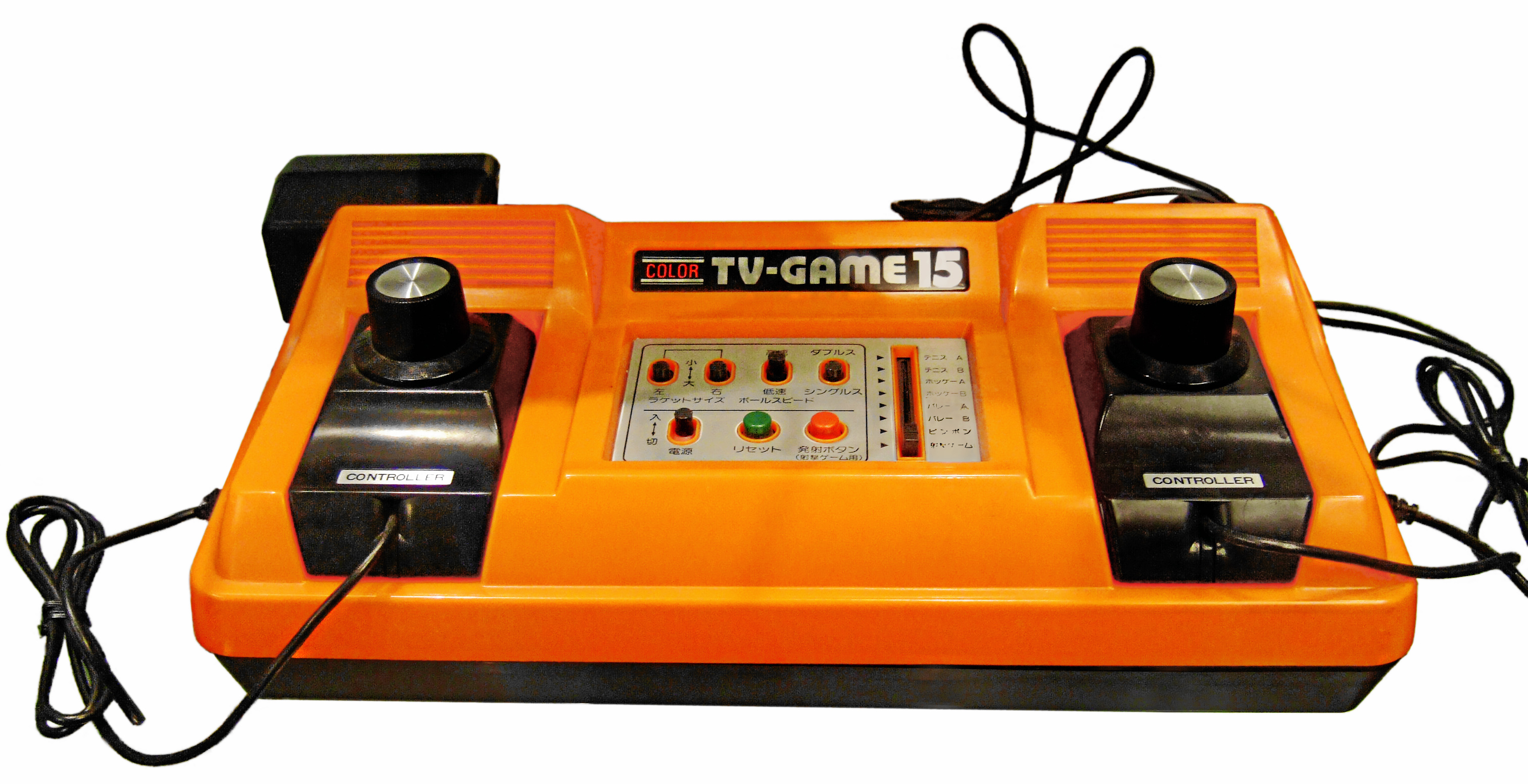
Color TV-Game 15 |
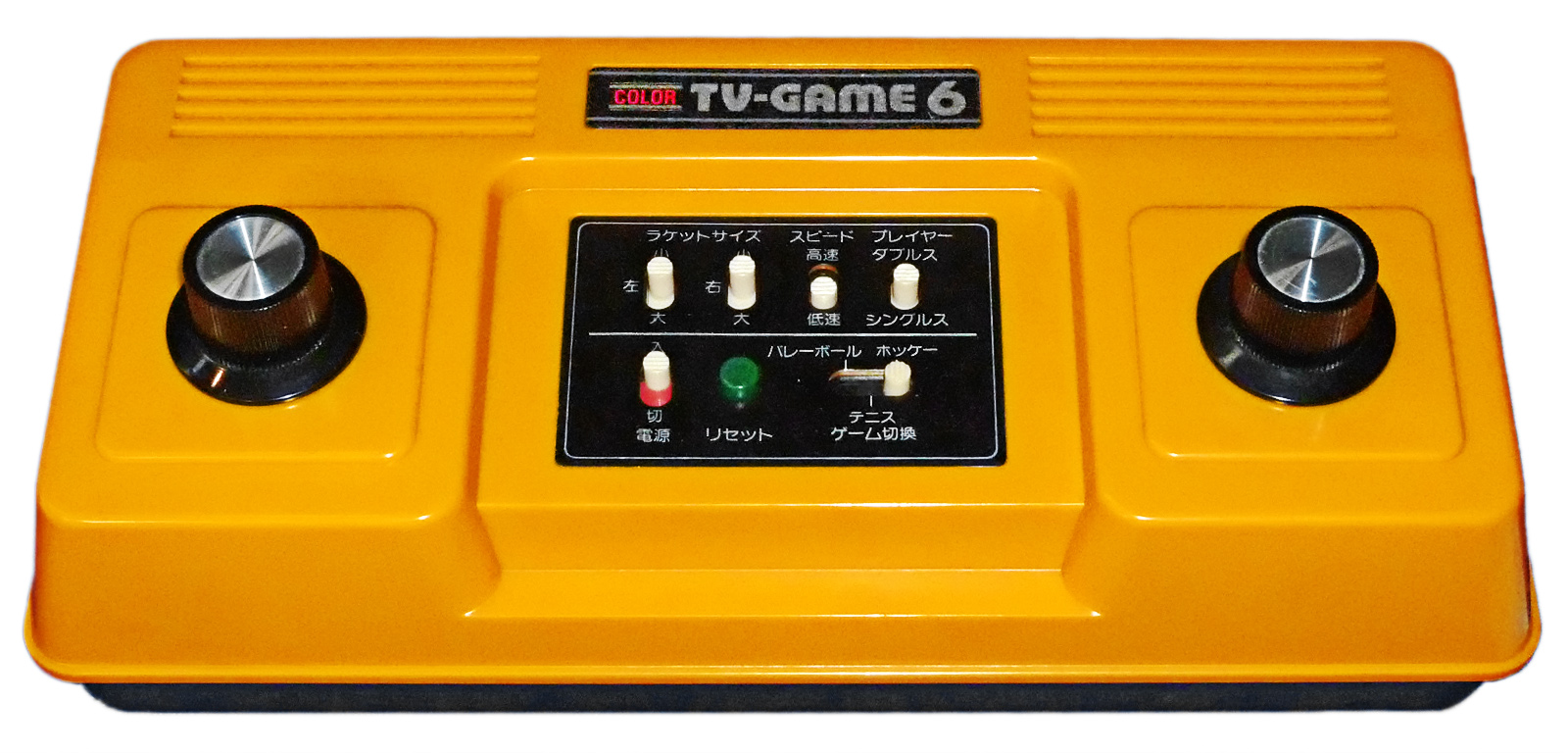
Color TV-Game 6 |
Released in Japan starting in 1977, the Color TV-Game series marked Nintendo's first entry into the home video game market. These dedicated consoles featured simple built-in games and helped Nintendo gain experience in electronic entertainment.
Although limited compared to later systems, the Color TV-Game consoles established Nintendo's foundation for future hardware development and innovation.
1983–2003: Nintendo Entertainment System (Famicom / NES)
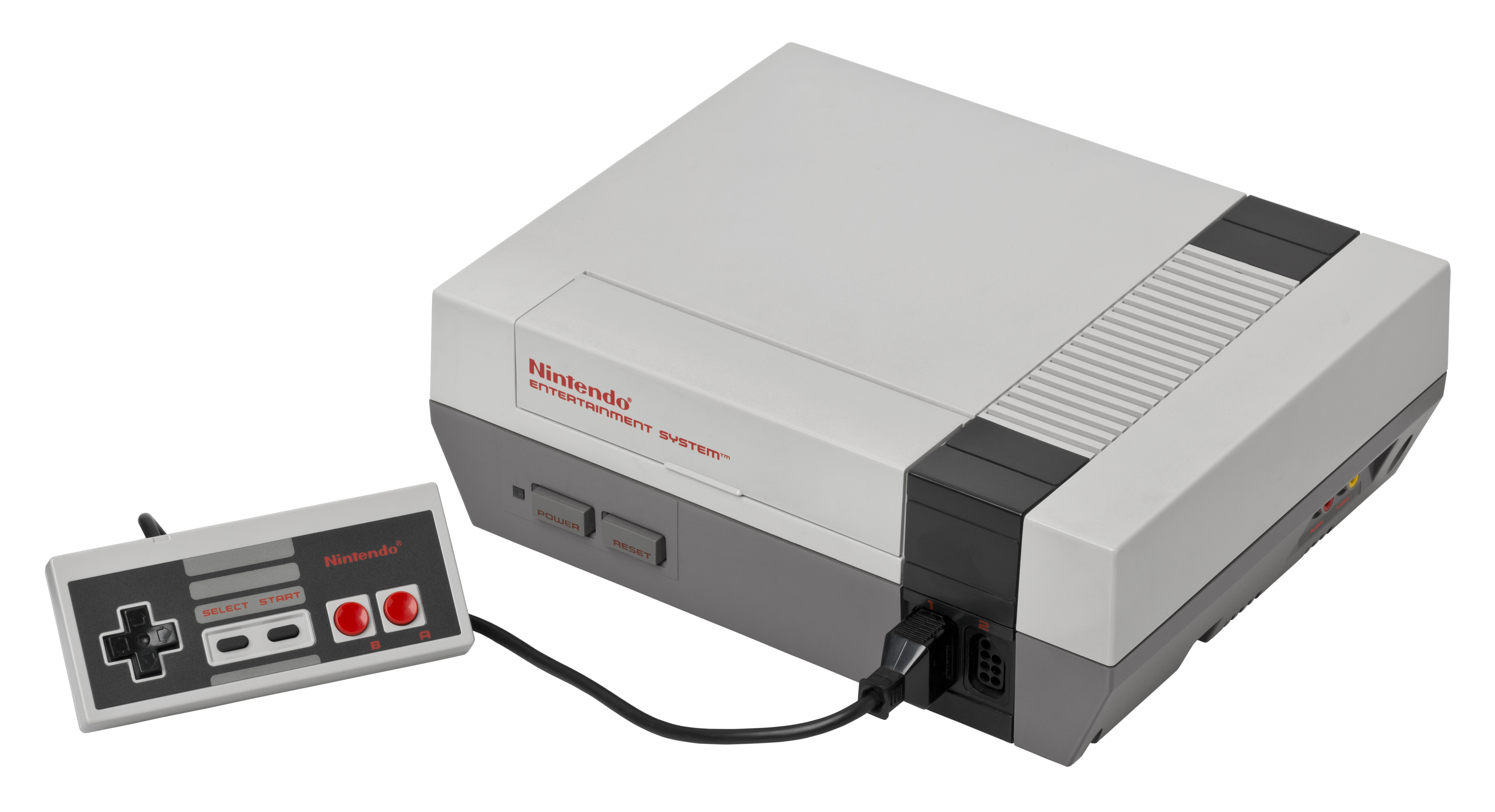
Nintendo Entertainment System (NES) |
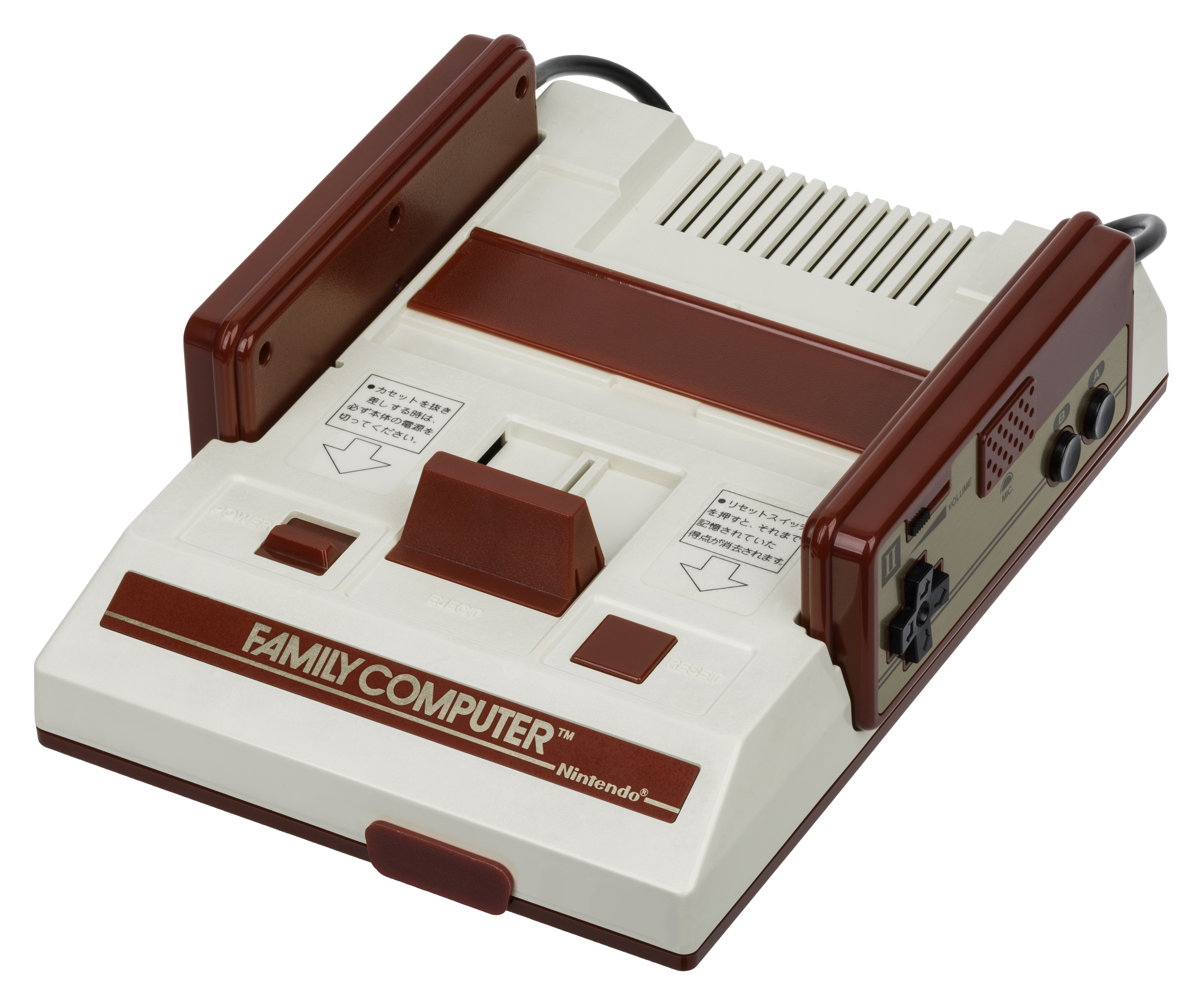
Family Computer (Famicom) |

NES 2 / Top Loader |
Released in Japan in 1983 as the Family Computer and later worldwide as the Nintendo Entertainment System in 1985, the NES revived the video game industry after the crash of 1983 and established Nintendo as a dominant force in gaming.
The console introduced some of gaming's most legendary franchises, including Super Mario Bros., The Legend of Zelda, and Metroid. Its innovative controller design and strong quality standards helped define the future of home consoles.
Other classic titles included Castlevania, Contra, Mega Man, Final Fantasy, Kirby's Adventure, and Duck Hunt.
1989–2003: Game Boy Family

Game Boy |

Game Boy Pocket |

Game Boy Color |
Released in 1989, the Game Boy became one of the most successful handheld consoles of all time. Designed with portability, durability, and long battery life in mind, it brought console-quality gaming into players' hands.
The system became famous worldwide thanks to Tetris and Nintendo's iconic franchises, including Pokémon, Super Mario Land, Kirby, and The Legend of Zelda: Link's Awakening.
The Game Boy Color, released in 1998, added color graphics while maintaining compatibility with the massive Game Boy library.
1990–1999: Super Nintendo Entertainment System (SNES)
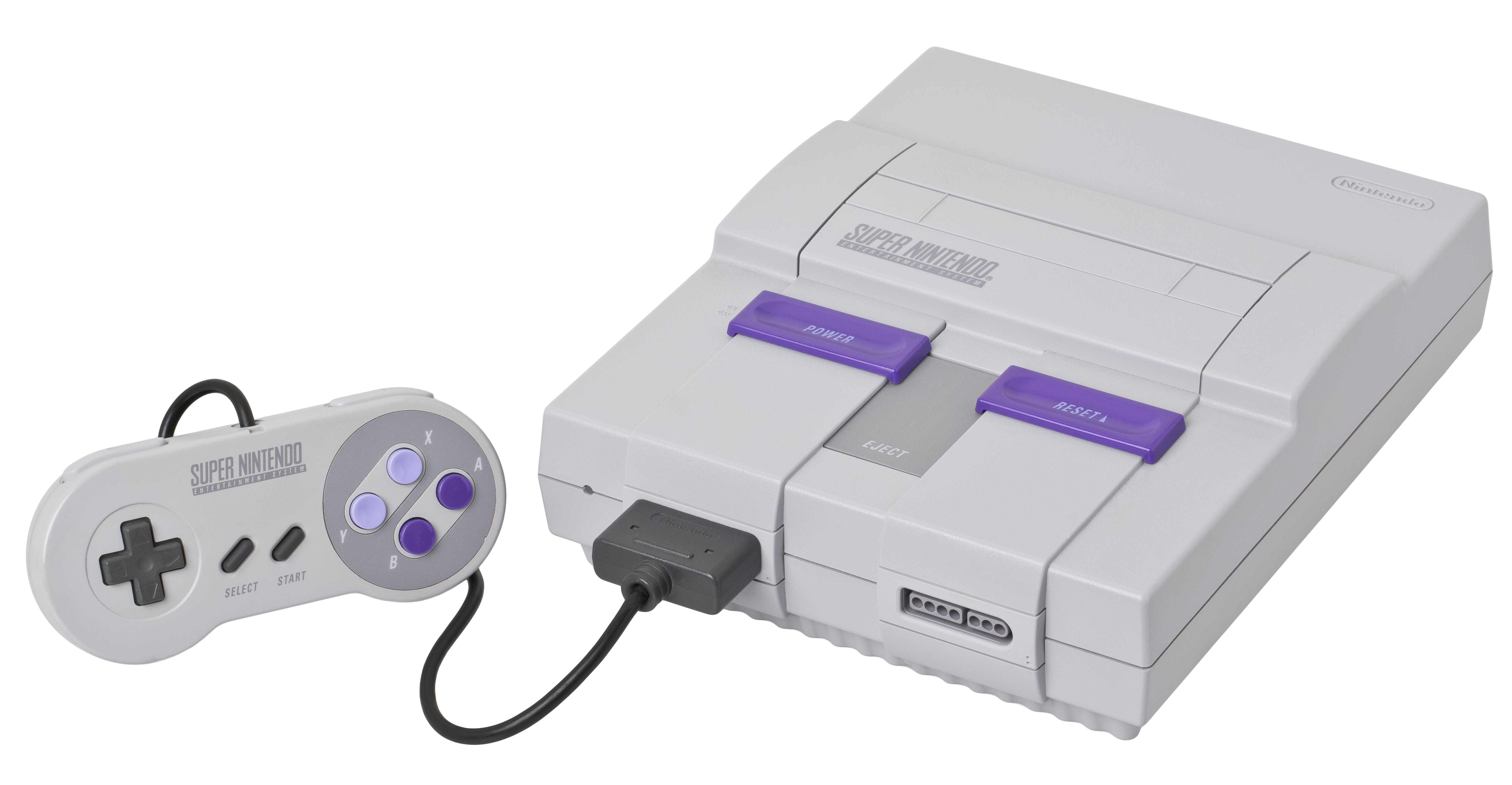
Super Nintendo Entertainment System (SNES) |

Super Famicom |
Released in Japan in 1990 and worldwide in 1991, the Super Nintendo Entertainment System became one of Nintendo's most beloved consoles. Featuring improved graphics, sound, and controller design, the SNES competed during the famous 16-bit console generation.
The system delivered some of the greatest games in history, including Super Mario World, The Legend of Zelda: A Link to the Past, Super Metroid, Donkey Kong Country, Chrono Trigger, Final Fantasy VI, and Super Mario Kart.
The SNES remains celebrated for its incredible library and continues influencing game design decades later.
1996–2003: Nintendo 64

Nintendo 64 |

Nintendo 64 Controller |
Released in Japan in 1996 and worldwide later that year, the Nintendo 64 introduced Nintendo's transition into 3D gaming. The console featured a powerful 64-bit processor, cartridge-based games, and an innovative three-pronged controller with an analog stick designed for 3D movement.
The Nintendo 64 helped define the future of 3D gaming with groundbreaking titles such as Super Mario 64, The Legend of Zelda: Ocarina of Time, The Legend of Zelda: Majora's Mask, GoldenEye 007, Mario Kart 64, Super Smash Bros., and Pokémon Stadium.
Although Nintendo faced strong competition from Sony's PlayStation, the Nintendo 64 became a beloved console known for multiplayer experiences and unforgettable adventures.
2001–2010: Game Boy Advance Family

Game Boy Advance |

Game Boy Advance SP |

Game Boy Micro |
Released in 2001, the Game Boy Advance continued Nintendo's dominance in handheld gaming. With improved 32-bit graphics, a larger screen, and backward compatibility with Game Boy titles, it became one of Nintendo's most successful portable systems.
The Game Boy Advance library included incredible games such as Pokémon Ruby & Sapphire, Metroid Fusion, Metroid Zero Mission, The Legend of Zelda: The Minish Cap, Advance Wars, Mario & Luigi: Superstar Saga, and Golden Sun.
The Game Boy Advance SP introduced a redesigned clamshell design and a front-lit screen, making portable gaming more accessible than ever.
2001–2007: Nintendo GameCube

Nintendo GameCube |
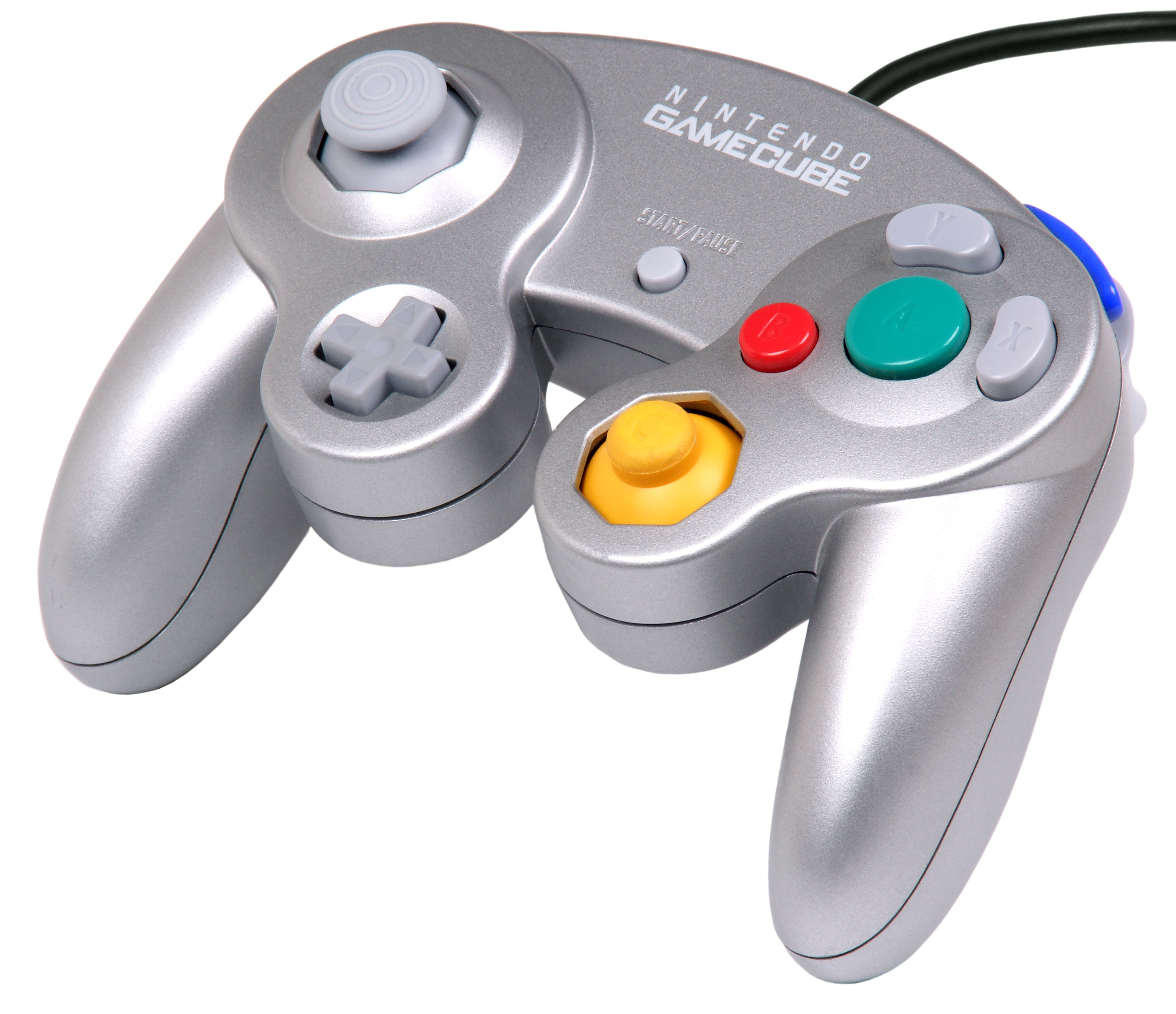
GameCube Controller |
Released in 2001, the Nintendo GameCube was Nintendo's sixth-generation home console and introduced a compact design with optical mini-DVD discs. The system focused on creative gameplay experiences, strong first-party titles, and innovative multiplayer features.
The GameCube delivered some of Nintendo's most memorable games, including Super Smash Bros. Melee, The Legend of Zelda: The Wind Waker, Metroid Prime, Super Mario Sunshine, Luigi's Mansion, Animal Crossing, Mario Kart: Double Dash!!, and Resident Evil 4.
Although it sold less than Nintendo's previous consoles, the GameCube developed a passionate fan community and remains highly respected for its game library.
2004–2013: Nintendo DS Family
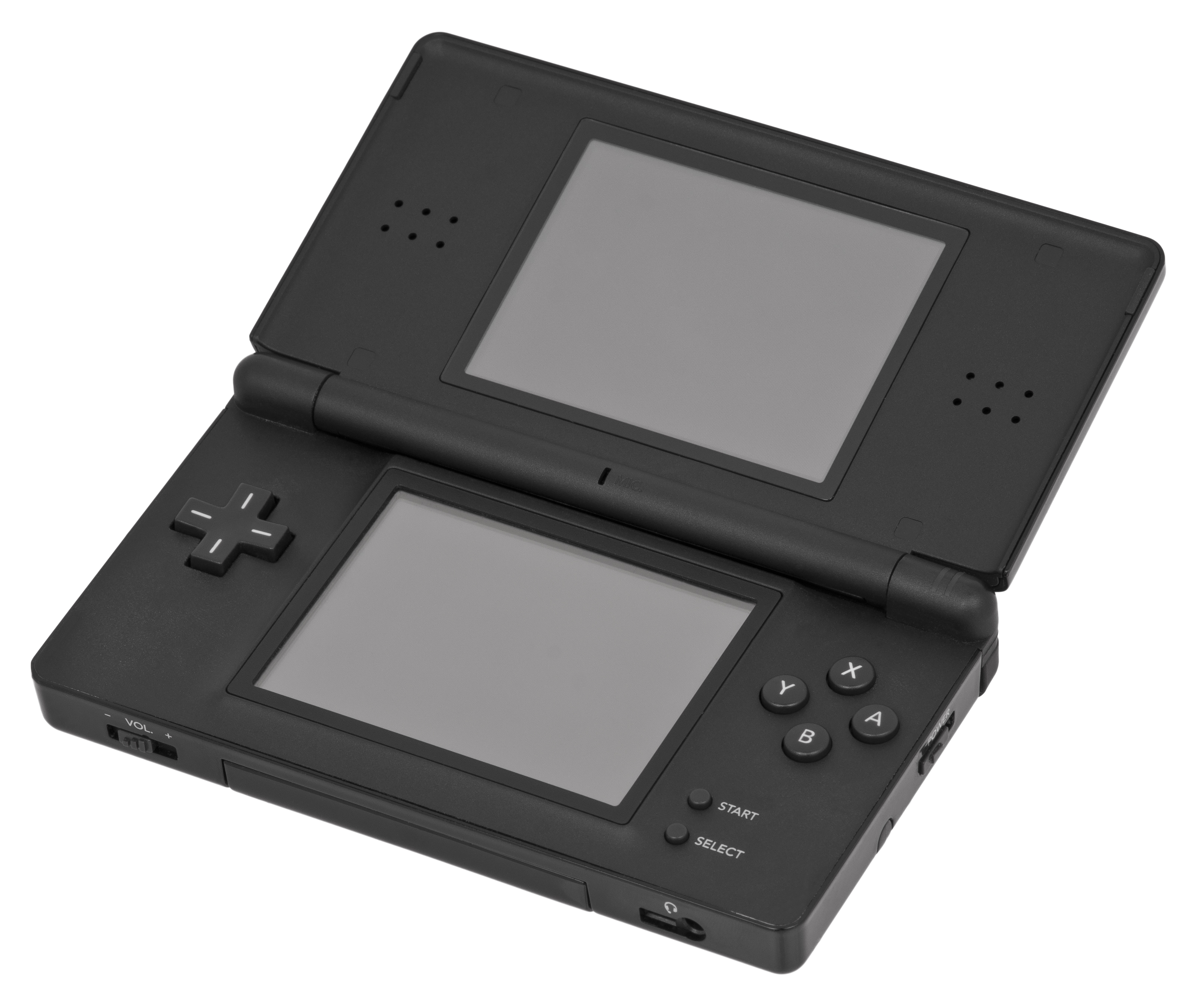
Nintendo DS Lite |

Nintendo DSi |

Nintendo DS |
Released in 2004, the Nintendo DS introduced a revolutionary dual-screen design, touchscreen controls, microphone support, and wireless connectivity. The handheld became one of the best-selling video game systems in history.
The Nintendo DS attracted players of all ages with innovative games including New Super Mario Bros., Mario Kart DS, Pokémon Diamond & Pearl, The Legend of Zelda: Phantom Hourglass, Animal Crossing: Wild World, Brain Age, and Professor Layton.
The DS family expanded with the slimmer DS Lite, camera-equipped DSi, and digital-focused DSi XL models, making it one of Nintendo's most successful handheld generations.
2006–2017: Nintendo Wii
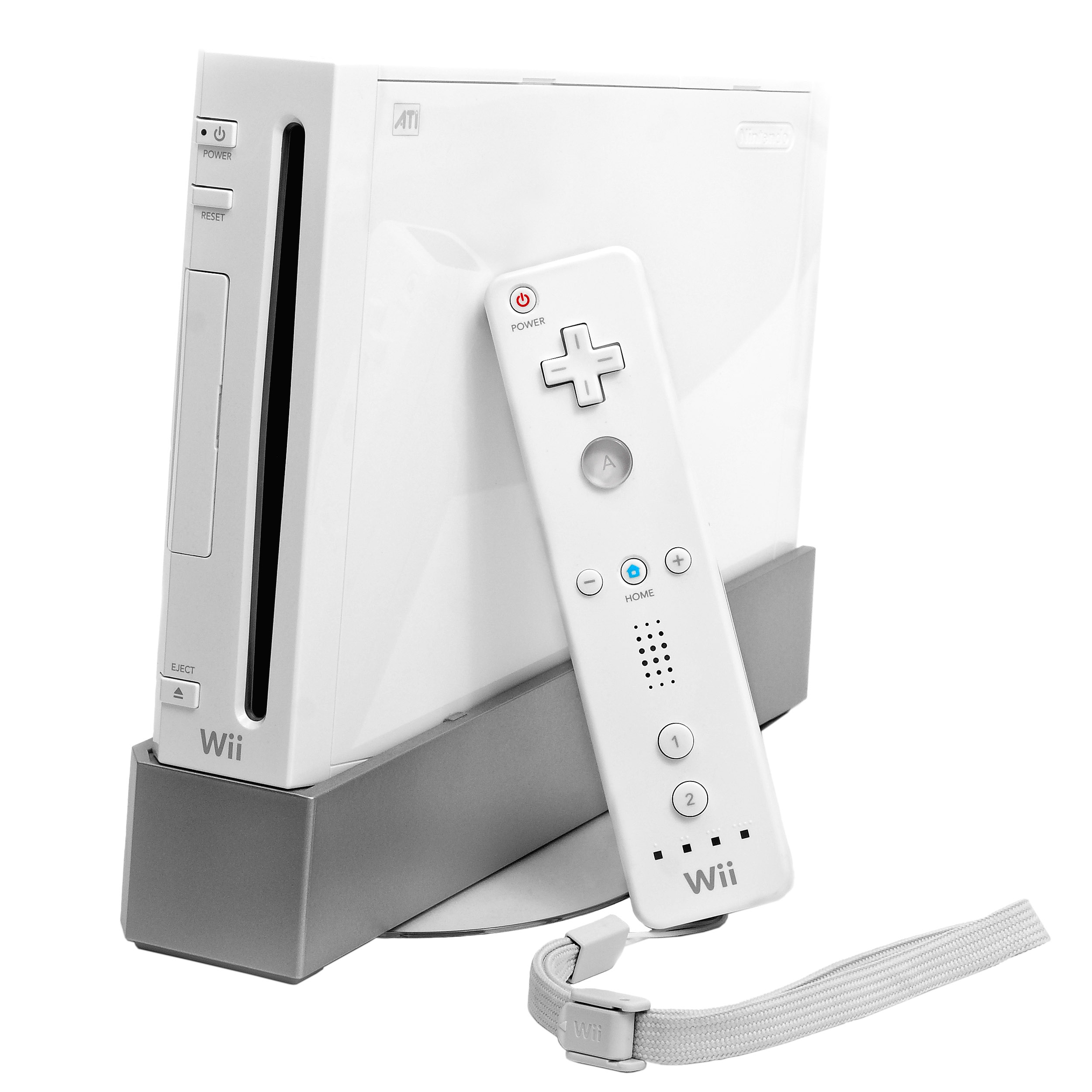
Nintendo Wii |
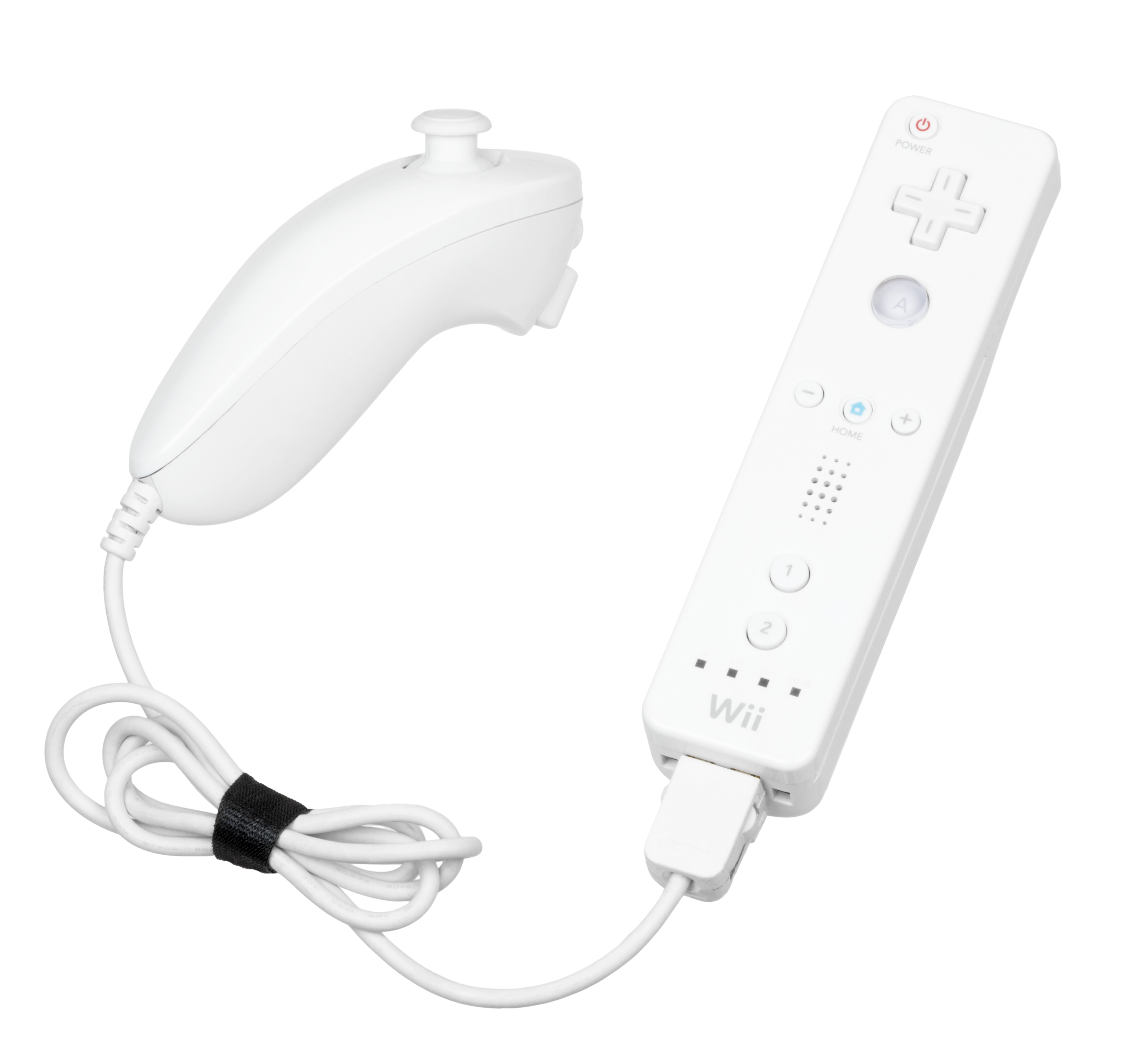
Wii Remote Controller |
Released worldwide in November 2006, the Nintendo Wii introduced a revolutionary approach to gaming through motion controls. Using the Wii Remote and Nunchuk controllers, players could interact with games through physical movement, making gaming more accessible to families and casual players.
The Wii became one of Nintendo's greatest commercial successes, attracting millions of new players around the world. Its simple controls and innovative design changed how people viewed video games.
The console featured legendary titles including Wii Sports, Super Mario Galaxy, Super Mario Galaxy 2, The Legend of Zelda: Twilight Princess, The Legend of Zelda: Skyward Sword, Mario Kart Wii, Super Smash Bros. Brawl, and Donkey Kong Country Returns.
2011–2020: Nintendo 3DS Family

Nintendo 3DS |

New Nintendo 3DS XL |
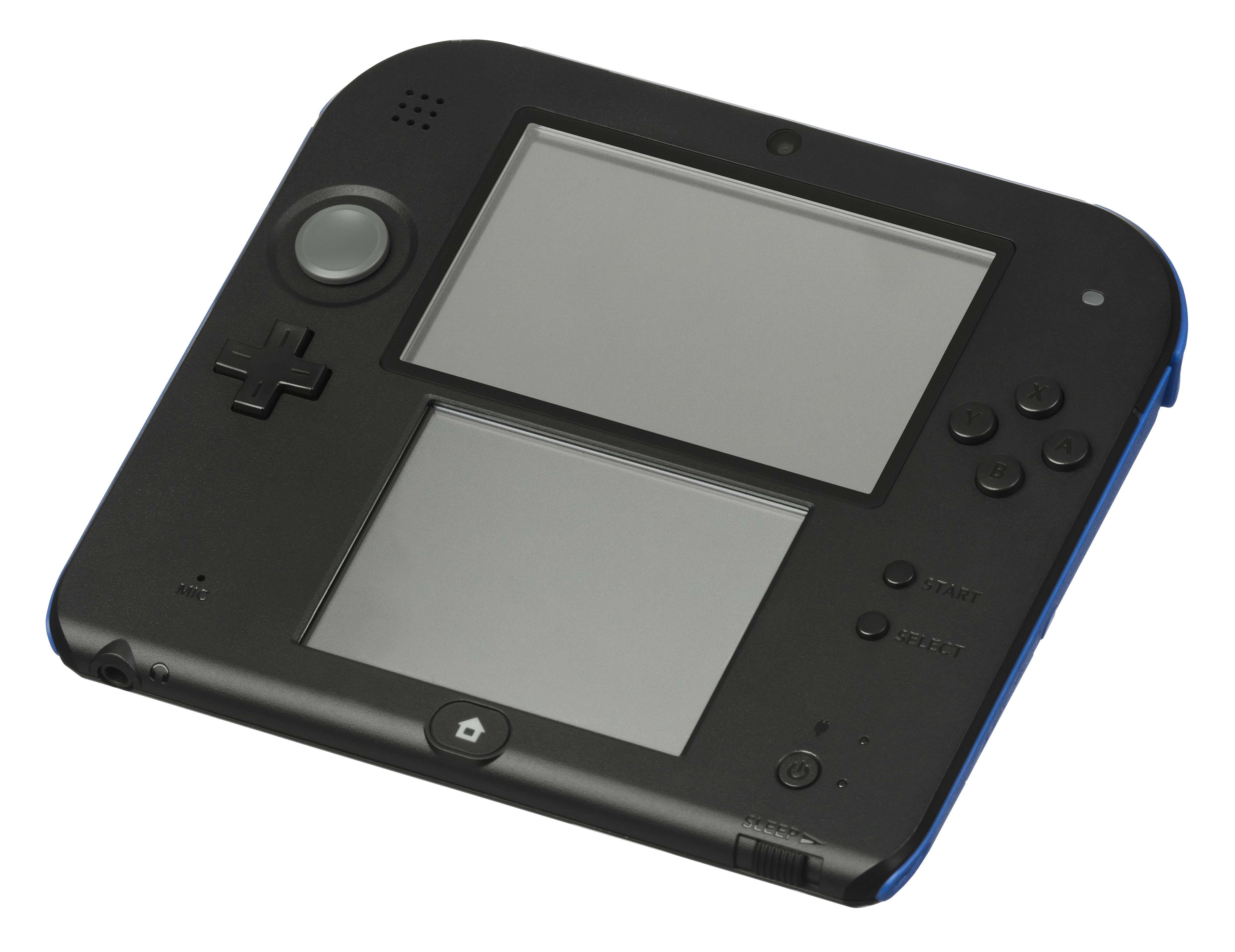
Nintendo 2DS |
Released in 2011, the Nintendo 3DS continued Nintendo's handheld legacy by introducing glasses-free stereoscopic 3D technology. The system maintained the dual-screen design of the Nintendo DS while adding improved graphics and new features.
The Nintendo 3DS family expanded with the larger 3DS XL, the redesigned New Nintendo 3DS models, and the affordable Nintendo 2DS. The system became home to a massive library of exclusive games.
Major titles included Pokémon X & Y, Pokémon Sun & Moon, The Legend of Zelda: A Link Between Worlds, The Legend of Zelda: Ocarina of Time 3D, Super Mario 3D Land, Animal Crossing: New Leaf, Fire Emblem Awakening, and Monster Hunter 4 Ultimate.
2012–2017: Nintendo Wii U

Nintendo Wii U |

Wii U GamePad |
Released in 2012, the Nintendo Wii U introduced the innovative GamePad controller featuring a built-in touchscreen. The system allowed players to experience new gameplay possibilities through dual-screen gaming and off-TV play.
Although the Wii U struggled commercially due to unclear marketing and competition from other platforms, it featured many creative ideas and became the foundation for future Nintendo technology.
The console delivered excellent games including Mario Kart 8, Super Mario 3D World, The Legend of Zelda: The Wind Waker HD, Splatoon, Pikmin 3, Super Smash Bros. for Wii U, and Captain Toad: Treasure Tracker.
2017–Present: Nintendo Switch

Nintendo Switch |

Nintendo Switch Joy-Con |

Nintendo Switch Lite |
Released worldwide in March 2017, the Nintendo Switch combined home console and handheld gaming into one hybrid system. Its detachable Joy-Con controllers and portable design created a completely new way to experience Nintendo games.
The Switch became one of Nintendo's most successful consoles, bringing together home and portable audiences with a massive worldwide community.
The system's incredible library includes The Legend of Zelda: Breath of the Wild, The Legend of Zelda: Tears of the Kingdom, Super Mario Odyssey, Mario Kart 8 Deluxe, Animal Crossing: New Horizons, Super Smash Bros. Ultimate, Metroid Dread, Pokémon Scarlet & Violet, and many more.
2021–Present: Nintendo Switch OLED Model

Nintendo Switch OLED Model |
Released in 2021, the Nintendo Switch OLED Model improved the original Switch design with a larger OLED display, enhanced speakers, a wider adjustable stand, and increased internal storage.
The OLED model continued Nintendo's hybrid gaming philosophy while providing players with a premium handheld experience.
2025–Present: Nintendo Switch 2

Nintendo Switch 2 |
Next Generation Nintendo Hardware |
Released in 2025, Nintendo Switch 2 represents the next evolution of Nintendo's hybrid console concept. Building upon the success of the original Nintendo Switch, the system introduces improved performance, enhanced graphics capabilities, faster processing, and new features designed for the next generation of gaming.
The console continues Nintendo's philosophy of combining home console experiences with portable gaming, allowing players to enjoy their favorite games anywhere.
Nintendo Switch 2 expands the company's legendary franchises with new adventures featuring Mario, The Legend of Zelda, Pokémon, Metroid, Kirby, and many more.
2017–Present: Nintendo Online and Digital Ecosystem
Nintendo Switch Online

|
Nintendo eShop

|
Nintendo Account |
During the Nintendo Switch generation, Nintendo expanded its digital services through Nintendo Switch Online, cloud saves, online multiplayer, classic game libraries, and additional content through expansion services.
The Nintendo eShop became the center of digital distribution, allowing players to purchase games, downloadable content, indie titles, and classic experiences from Nintendo's history.
Nintendo also continued preserving its legacy through digital collections featuring classic games from systems such as the NES, Super NES, Game Boy, Game Boy Advance, Nintendo 64, and other platforms.
1981–Present: Nintendo's Legendary Franchises
Super Mario
|
The Legend of Zelda

|
Pokémon

|
Metroid

|
Kirby

|
Donkey Kong

|
Animal Crossing

|
Fire Emblem

|
Throughout its history, Nintendo has created some of the most recognizable franchises in entertainment. These series have influenced generations of players and helped define the identity of video games worldwide.
The Super Mario franchise became one of the most successful gaming brands ever created, while The Legend of Zelda pushed adventure and exploration forward with groundbreaking worlds and storytelling.
Other important franchises such as Pokémon, Metroid, Kirby, Donkey Kong, Animal Crossing, and Fire Emblem continue attracting millions of fans around the world.
1977–Present: The Legacy of Nintendo
From the Color TV-Game consoles of the 1970s to the modern Nintendo Switch generation, Nintendo has remained one of the most influential companies in video game history.
Nintendo revolutionized gaming through innovations such as the NES controller design, handheld gaming with the Game Boy, 3D adventures with the Nintendo 64, motion controls with the Wii, touchscreen gaming with the Nintendo DS, and hybrid gaming with the Nintendo Switch.
Across decades of innovation, Nintendo has delivered unforgettable experiences through creativity, unique gameplay ideas, and iconic characters loved by millions of players worldwide.
🎮 From classic adventures to the future of gaming, Nintendo continues inspiring generations of players around the world. ⭐
No comments:
Post a Comment